THE GLOBAL RACE FOR TALENT
Germany is competing globally for skilled workers, but the decisive factors are not only visas and immigration rules – anyone wishing to attract international talent on a long-term basis must invest in language skills, qualifications, fair recruitment and integration. The Düsseldorf- based company Onea Care demonstrates through the example of the care sector how this process can work and why it is becoming a strategic topic for an increasing number of industries.


Early years educators are also among the 157 shortage occupations in Germany.
The German labour market is increasingly reliant on immigration. According to the Federal Employment evident in the so-called shortage occupations – of which there were 157 in 2025 – including construction and skilled crafts, childcare, commercial driving, the hospitality sector and technical professions. In these sectors, the proportion of international professionals has doubled to just over 14 per cent within ten years. The figures show that international recruitment is no longer a niche issue for individual sectors, but is becoming a key factor in Germany’s economic performance. Germany therefore finds itself in global competition for skilled workers, as the baby boomer generation is set to leave the labour market in the coming years. At the same time, Canada, Australia, the Gulf States and other European countries are vying for the same talent, often offering faster procedures, English-speaking job markets or clear career prospects.
With the reform of the Skilled Workers Immigration Act, the Federal Government has significantly eased the immigration of qualified skilled personnel. The regulations, which have been coming into force gradually since the end of 2023, make it easier for qualified professionals from non-EU countries to come to Germany. Among other things, they simplify the recognition of foreign professional qualifications with the aim of making it easier for companies to access international skilled workers and to meet the demand for skilled labour in the long term.
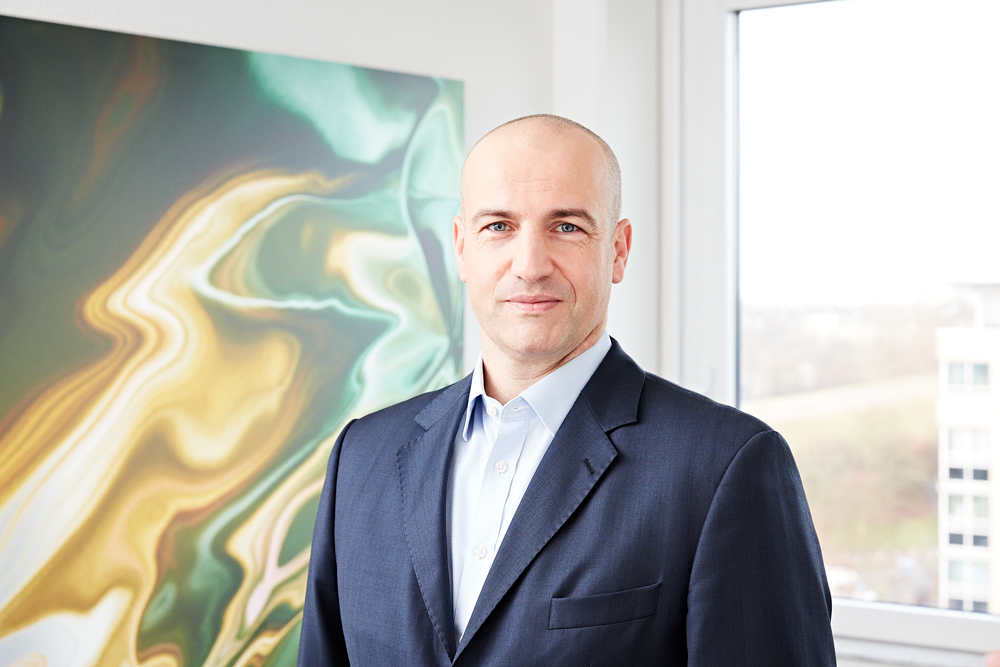
Leon Bauer, Managing Director, Onea Care
Onea Care illustrates just how complex international recruitment is. Founded in 2019, the Düsseldorf-based company recruits nursing staff from abroad – primarily from India, Brazil and North Africa – and supports them right through to their placement in German healthcare facilities. Managing Director Leon Bauer describes Onea Care less as a traditional recruitment agency and more as an educational institution. The care workers learn German to B2 level whilst still in their home country and are given professional training to prepare them for their day-to-day work. “Language is the key element in this whole process. Without a high level of proficiency, it simply won’t work on the ward,” says Bauer.
On average, it takes around a year from the initial contact to the start of employment. During this time, the selection process, language tuition, professional training, visa procedures, recognition of qualifications and preparation for everyday life in Germany all come together. Care workers must not only be familiar with medical terminology; they must also understand how teams communicate, what responsibilities they have on the ward and what expectations patients and employers have of them.
For Bauer, therefore, integration begins before arrival but does not end on the first day of work. Care facilities must also prepare themselves. Intercultural seminars should not be seen as a special programme for new arrivals, but must involve existing teams. Managers are called upon to clarify responsibilities, appoint mentors, highlight development opportunities and ensure that the right attitude is fostered from senior management right down to every level of the organisation. Integration is a strategic management task.
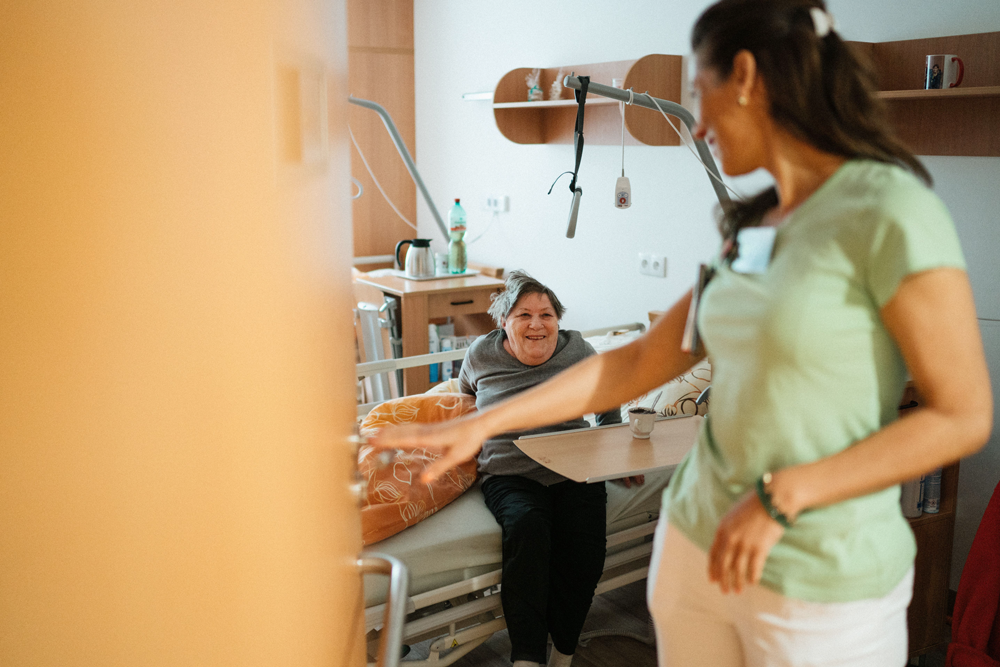
Care workers already hold a qualification from their home country; in some cases, care is a degree-level profession there.
Added to this is the matter of the conditions under which people are recruited. International recruitment is repeatedly the subject of criticism – for example, due to high recruitment fees, non-transparent contracts or a lack of support following arrival in Germany. International skilled workers invest time, money and trust, and often leave their familiar surroundings with their families. “Every skilled worker who takes this step is taking an enormous risk,” says Bauer. Onea Care is one of the founding members of the association ‘Faire Anwerbung Pflege Deutschland’ (Fair Recruitment in Care, Germany). Bauer is chairman of the quality committee, which monitors compliance with ethical standards. These include transparent contracts, the waiver of recruitment fees for skilled workers and regular independent checks.

Those who settle in well will, ideally, remain with the company in the long term.
Whether international recruitment is sustainable is not determined by the number of people arriving, but by whether they continue stay. According to Onea Care, around 95 per cent of the care workers placed are still working for their original employer two years after their arrival. This rate is not just a testament to the success of the preparatory work – it is also an indication of whether expectations and working conditions are a good match.
Since May 2025, Onea Care has been part of BorderPlus, an Indian education and technology platform for international labour mobility. The acquisition is intended to enable training programmes to be scaled up more effectively and personalised through AI-supported learning solutions. In future, content provided by the prospective employer will be able to be delivered even before the employee arrives in the country. Digital learning solutions enable personalised training whilst making it accessible to a significantly larger number of people. Germany continues to be in a good position in this competition. Comparatively high wages, social security, training opportunities and long-term career prospects all speak in favour of the country as a location. On the other hand, there is the challenge of a demanding language, bureaucracy, lengthy recognition procedures and a day-to-day reality for which many companies are not yet sufficiently prepared. The decisive competition therefore takes place not only between countries, but also between employers.
Anyone wishing to attract international talent must offer more than just a job vacancy. What is required are reliable and transparent procedures, a good education, support in everyday life and a corporate culture that not only recruits new colleagues but truly integrates them. Ultimately, the global competition for talent is not decided upon entry, but upon settling in and staying. •
Text: Lisa Maria Kunst
Pictures: Liliana Drew, Mikhail Nilov, privat, Jsme MILA, cottonbro studio