STRONGER TOGETHER
Demographic change is leading to a growing shortage of skilled workers. This is compounded by a difficult economic situation, which poses major challenges for businesses. VIVID took a closer look at how they are nevertheless managing to bring companies and young talent together.
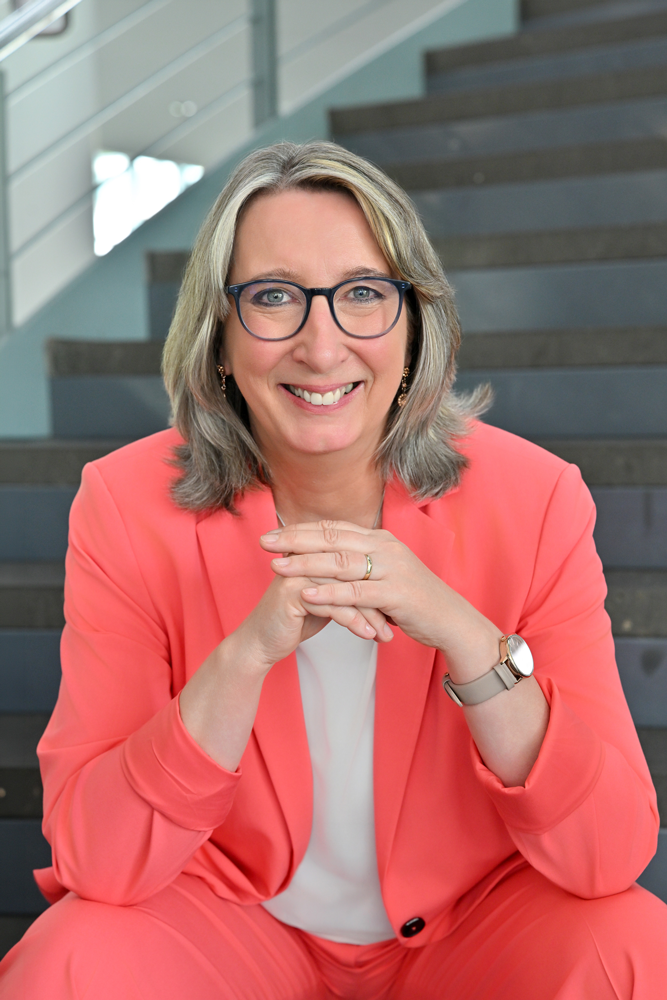
Birgitta Kubsch-von Harten, Head of Employment Agency, Düsseldorf
North Rhine-Westphalia is struggling with falling numbers of apprentices. According to its Statistical Office, 99,246 new apprenticeship contracts were signed under the dual system last year. This means that, for the first time since occupational statistics were first recorded in the 1970s, the number of new apprenticeship contracts fell below 100,000, representing a 14.4 percent decline over the past ten years.
In Düsseldorf, there is currently a slight increase in the number of applicants for apprenticeship places, up by a total of 2.4 percent compared with last year. Birgitta Kubsch-von Harten, Head of the Düsseldorf Employment Agency, said: “Generally speaking, we have a good mix of industries in the state capital and a wide range of apprenticeship places on offer. And interest in apprenticeships is growing amongst young people. On the one hand, the desire for financial security increases in times of crisis. On the other hand, the nature of jobs is changing, meaning that issues such as sustainability, AI and digitalisation – which are important to young people – are playing a greater role.”
However, the number of apprenticeship places on offer in Düsseldorf fell by a total of 6 percent compared with the previous year. And across the whole of North Rhine-Westphalia, the figure was as high as almost 8 percent. “Although companies are aware that, given demographic trends, they will need more skilled workers in the future, many of them are experiencing economic uncertainty in times of global crisis. As a result, they are currently cautious about recruitment,” said Birgitta Kubsch-von Harten.
To encourage companies to provide apprenticeships even in difficult economic times, there is the so-called ‘Entry-level Qualification’ (EQ), a kind of long-term work placement lasting one year, during which young people and companies can get to know each other better. During the EQ, participants actually receive financial remuneration, part of which is funded by the Federal Employment Agency. The Employment Agency also provides support with recruitment for apprenticeship places. Its careers advisers work closely with schools, whilst the employer service works closely with companies. “We help with matching candidates to roles, organise recruitment days or sector-specific job fairs – and in this way we bring applicants together with the right companies,” explains Birgitta Kubsch-von Harten.
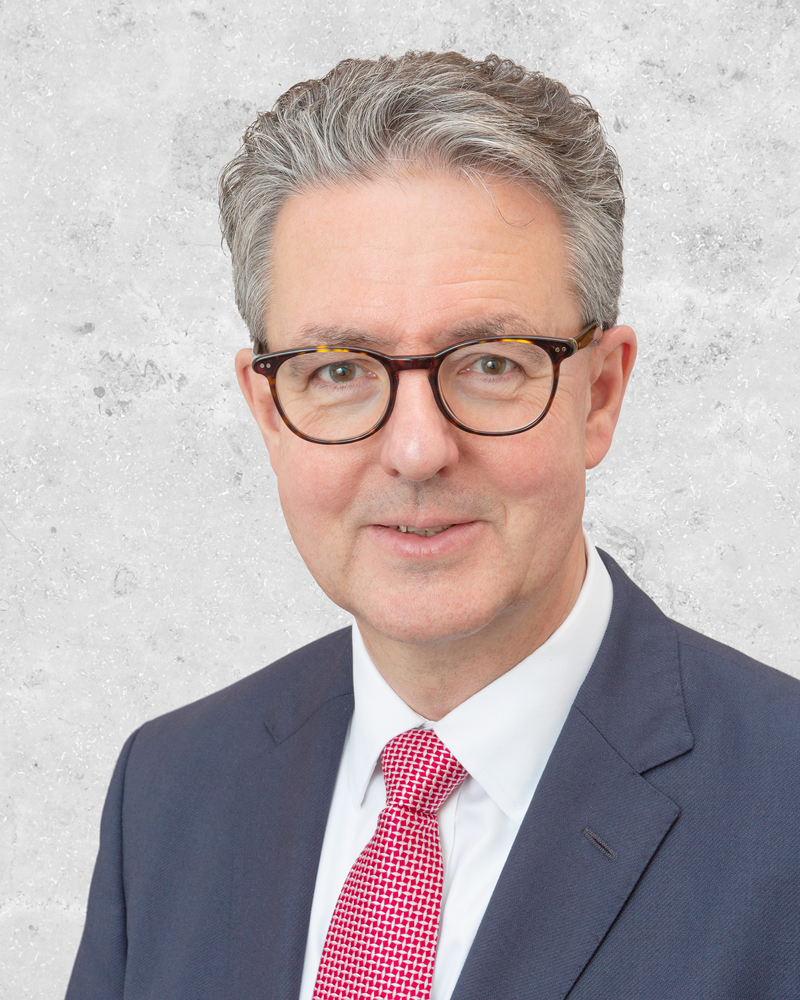
Christian Henke, Managing Director, Düsseldorf Chamber of Trade (HWK)
Christian Henke, Managing Director of the Düsseldorf Chamber of Trade (HWK), considers the situation for apprentices in the skilled trades in the state capital to be very good. The same roles have been particularly popular amongst apprentices in the region for many years: “Jobs that stand to benefit from the climate transition: plumbing, electrical work and roofing”. Wages and apprenticeship allowances in the skilled trades have also risen significantly in recent years. Career prospects are good provided there is a willingness to undertake further training, “and what’s more, there is virtually no unemployment”, says Christian Henke. Innovative technologies are playing an increasingly important role in many trades. “Roofers use drones to install solar systems and panels, and in the carpentry trade workpieces are designed on computers”, explains Henke. He is not concerned that the use of these techniques might be too demanding for school leavers with lower qualifications. This, he says, is one of the strengths of the skilled trades – taking the time for the weaker apprentices, supporting them with their vocational college homework or helping them to learn German. That is why the focus during the recruitment process is on personal interaction – to assess whether a young person is reliable, a team player, hard-working and enthusiastic. “We often have delegations visiting us from all over the world, as few countries offer such high-quality vocational training in the skilled trades as we do,” says Christian Henke with delight.
He would like to change the fact that, despite the Chamber of Trade’s numerous campaigns, apprentices in the skilled trades are still predominantly male. “The proportion of women has fallen below 20 percent in recent years. And in the technical trades most popular with men, it stands at just 3–5 percent, even though there is always a disproportionately high number of women among the year’s top performers,” says Christian Henke.
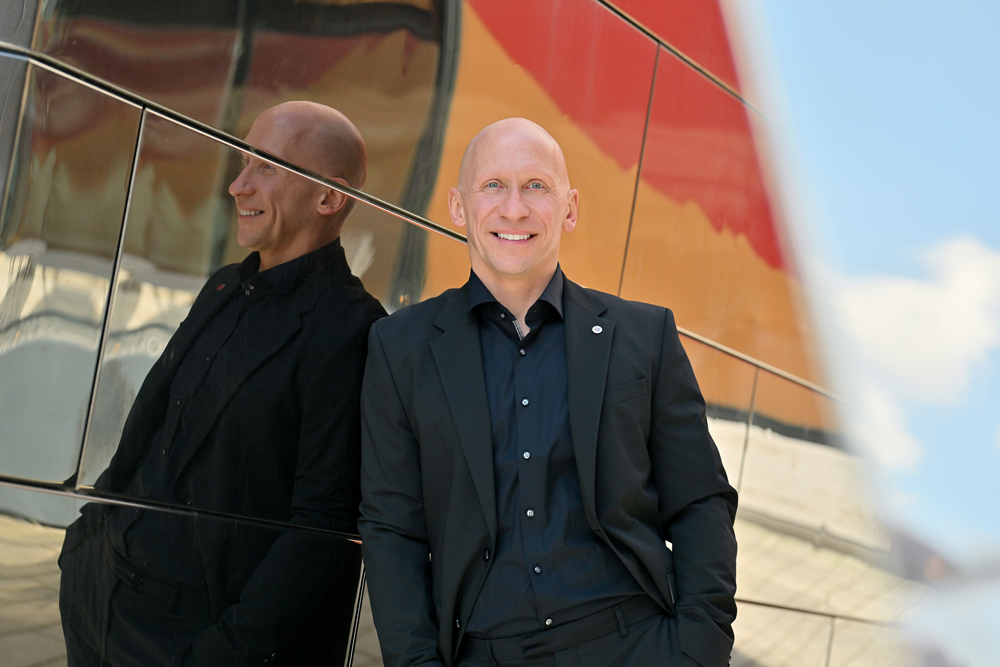
Manfred Birkenfeld, Managing Director,, Restaurant “Grande Étoile“, Trainer & examiner in the culinary crafts
Since 2008, the best of the best – whether male or female – have been competing every two years at EuroSkills, the ‘European Skills Championships’. Next year, the event will take place from 22 to 26 September at Messe Düsseldorf. Around 150,000 visitors are expected, as well as 800 top young skilled workers aged between 18 and 25 from 51 occupational fields and 36 countries. Manfred Birkenfeld will also be there in the role of workshop manager for the chefs. A qualified pastry chef himself, he is not only the manager of the ‘GRANDE ÉTOILE’ restaurant in Düsseldorf’s Carlstadt, but also a trainer and examiner in the culinary crafts. “EuroSkills Düsseldorf 2027 is a unique showcase for professional excellence and demonstrates just how attractive vocational training and the skilled trades can be,” explains Manfred Birkenfeld.
Alongside the competitions there is plenty of time for young talents, visitors and companies – some of whom are also sponsors of the event – to exchange ideas. Consequently, many pupils from vocational colleges or preparatory courses come to Euro-Skills Düsseldorf 2027 to get a feel for the industry. Manfred Birkenfeld, too, knows how important reliability, discipline, attention to detail and social skills are to businesses. “Many apprentices still have some catching up to do in these areas.” That is why Birkenfeld is committed to supporting apprentices with fewer opportunities through his project “The Big We”. The initiative works in partnership with businesses, associations and volunteers. “We run wine and cheese tasting sessions with the apprentices, make crêpes suzette or fillet fish. Everyone talks about the skills shortage. The solution doesn’t start in the job market, but with excellent training,” says Manfred Birkenfeld.
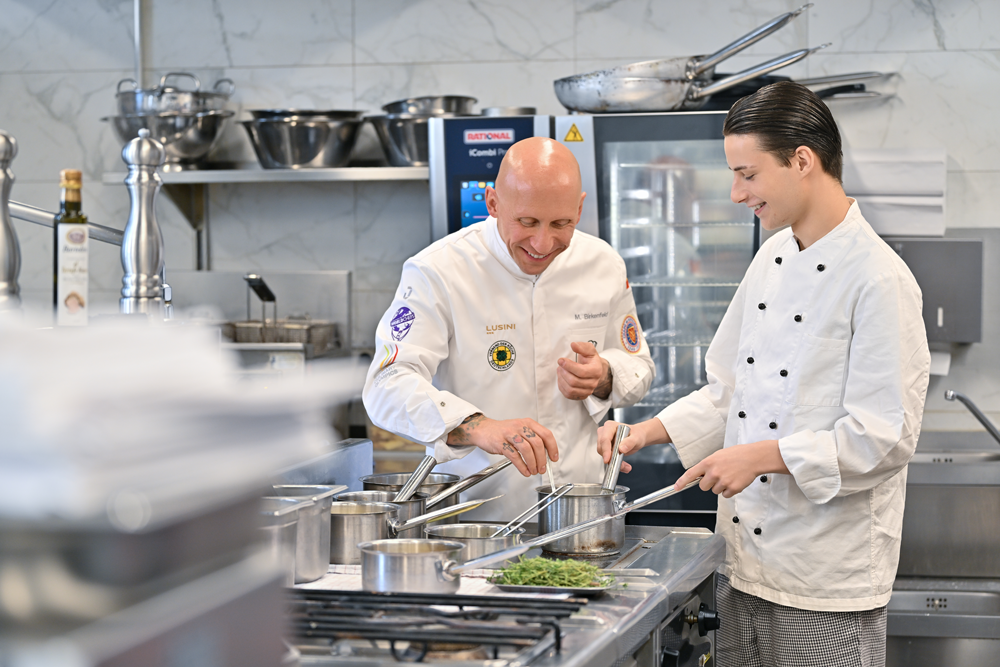
Through his project “The Big We”, Manfred Birkenfeld is committed to supporting apprentices who have had a less favourable start in life. “Everyone’s talking about the skills shortage. The solution doesn’t start in the labour market, but with excellent training.”
An important part of “The Big We” is the issue of inclusion. The initiative therefore also supports young people with special educational needs in their shortened training programme to become qualified workers. “Many need intensive support, but these apprentices are often highly motivated and are determined to succeed.” “The Big We” is now supported by DEHOGA and the Chefs’ Association and politicians in Berlin have also taken notice of the project. Manfred Birkenfeld is convinced that this model will set a precedent in other professional fields and associations too. “The future of the economy does not begin with position statements, but where young people can take on responsibility and fulfil their potential.” •
Text: Katja Vaders
Pictures: www.amh-online.de, Michael Lübke, HWK Düsseldorf