
THE CULTURAL MEDIATOR
What does Morocco smell like when you set aside the clichés? Like lemon and the courage to change, says Halima Pflipsen. Through cooking classes, TV appearances and her store, 'Beldi Living', the Düsseldorf entrepreneur shows that tradition and modernity can coexist.
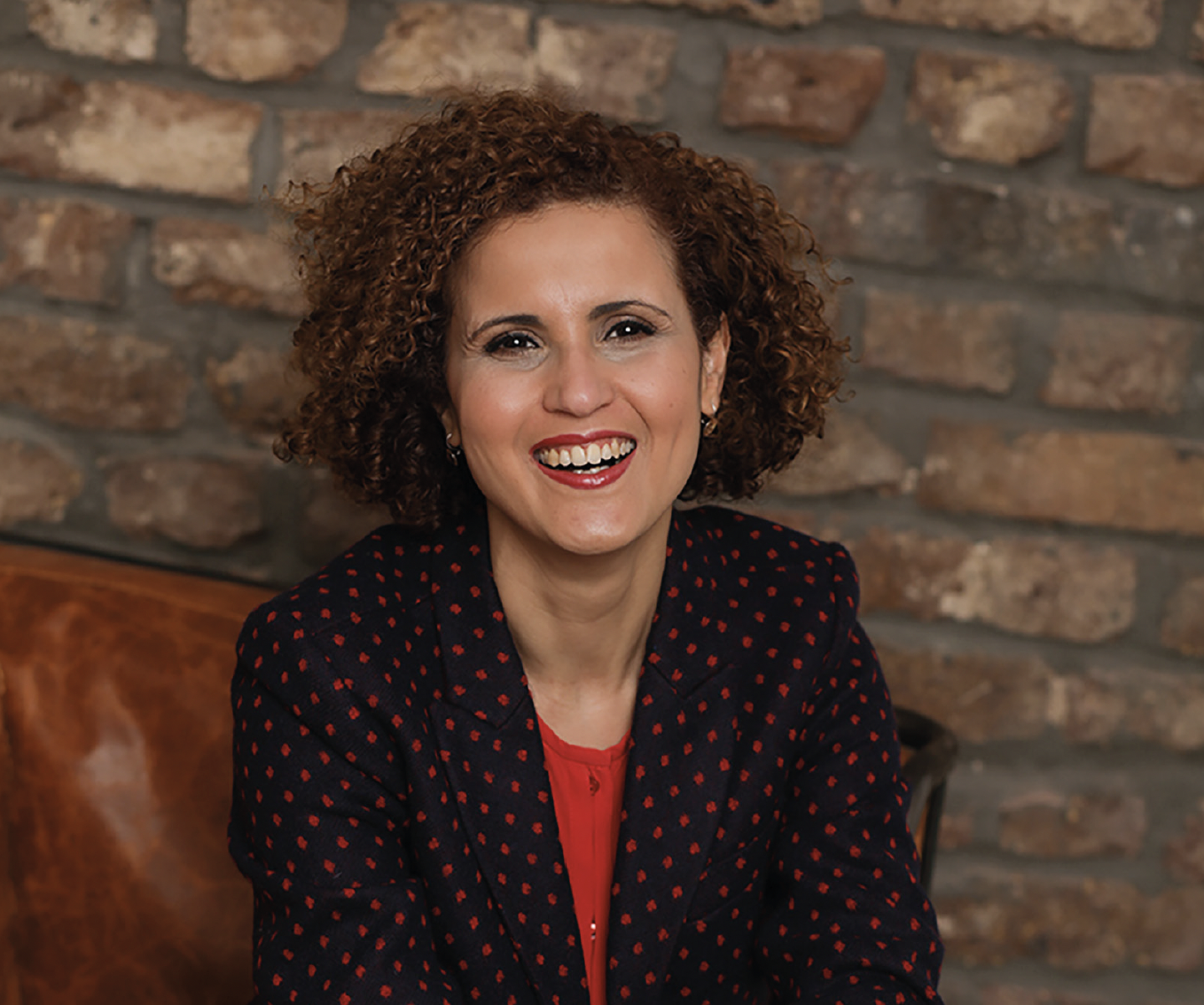
Halima Pflipsen, founder of Taste Morocco and Beldi Living
Your life oscillates between Morocco and Germany. What was your journey between these two countries like, and how have these influences manifested themselves in your career?
I left Morocco when I was 14. From that moment on, and to this day, I have been a 'real Düsseldorf girl'. The first few weeks and months were difficult, but I was determined to learn the language because I knew it was key. Even though it may seem different because of my job, today I have a stronger connection to Germany than to Morocco. I went to school here. Initially, I couldn't speak German, but I worked hard and managed to transfer from secondary school to grammar school. Later, I completed an apprenticeship as an industrial clerk at Henkel. I worked in the chemical industry for 17 years. It was a great time. I learnt a lot and met some wonderful people. However, at a certain point, I realised that I wanted to do something different. Then I started travelling around Morocco with my family, seeing it in a new light and discovering it anew.
How can we imagine that?
We always used to travel there to visit family. However, about 15 years ago, I booked a return trip and experienced the country from a tourist's perspective. I got to know the country's cultural treasures and experienced its diversity. Morocco is a diverse country. It has always been a melting pot of cultures, not least because of its geographical location. Morocco is a multilingual country. The two official languages are Arabic and Tamazight, the languages of the indigenous Amazigh population. Morocco's architecture, crafts, language, music and cuisine combine influences from Africa, the Orient and Europe, making the country very diverse and rich in contrasts. What impressed me during my first trips were the young Moroccans: they are culturally aware and tradition-conscious, yet hungry for progress. The people there are determined to succeed and have achieved a great deal in the last two decades. I find that impressive. It's a shame that we know so little about North African countries here. I wanted to change that. Another reason for setting up the organisation was what happened in 2015 on New Year's Eve in Cologne. Suddenly, it seemed as if many people were thinking, 'All Moroccans are bad.' Some even said it out loud. Those words affected me. It was a difficult time, during which I made my decision: I wanted to show a different image of Morocco and Moroccans living here. I don't see myself as political, but perhaps everyone is political in their own way. Some people go on stage and talk; I bring hearts together – that's my kind of politics.
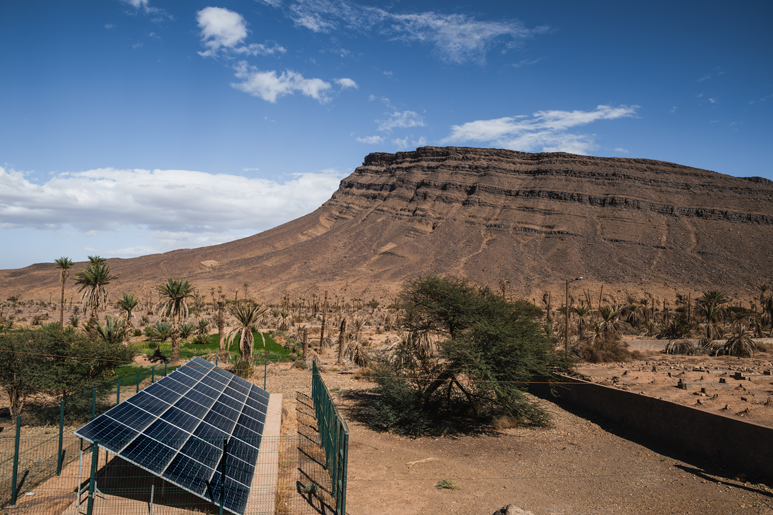
Morocco is considered a pioneer in Africa in renewable energies.
Morocco is at an exciting point, both culturally and economically, caught between tradition and change. What is your perception of the country at the moment?
Politically, a lot has happened, and of course there is still room for improvement. There have been positive changes, particularly with regard to women's rights. Economically, the country has been growing for some time. For example, very few people know that Morocco is Africa's largest car manufacturer. Many large corporations manufacture in Morocco. The country has invested in infrastructure, building new highways and expanding the rail network. There is a high-speed TGV train that runs from Tangier to Casablanca, and it will soon continue on to Marrakesh. Overall, I think Morocco is on the right track. I see that Germany is slowly waking up and recognising the potential of Morocco and Africa in general. There is a lot of potential there, especially for investors. Morocco is one of the safest and most stable countries in Africa. Morocco is also a pioneer in renewable energy. It is home to one of the world's largest solar parks. I believe that almost every mosque is powered by solar energy. They have made incredible progress in this area.
You see yourself as an ambassador for Moroccan culture in Germany. You fulfil this role through your cooking school, your appearances as a TV chef and your shop selling Moroccan interior design products. Who is your target audience?
My cooking events are open to anyone looking for something special: connoisseurs, explorers and curious people who want to escape everyday life. Eighty percent of my events are corporate. In groups of up to 40 participants, there are always some who know very little about Morocco and are initially sceptical about what to expect. By the end of the evening, however, they hug me and thank me for this special experience, which is the best reward for me.
You once said, 'Enough with Nordic minimalism.' How does Moroccan style counter purism?
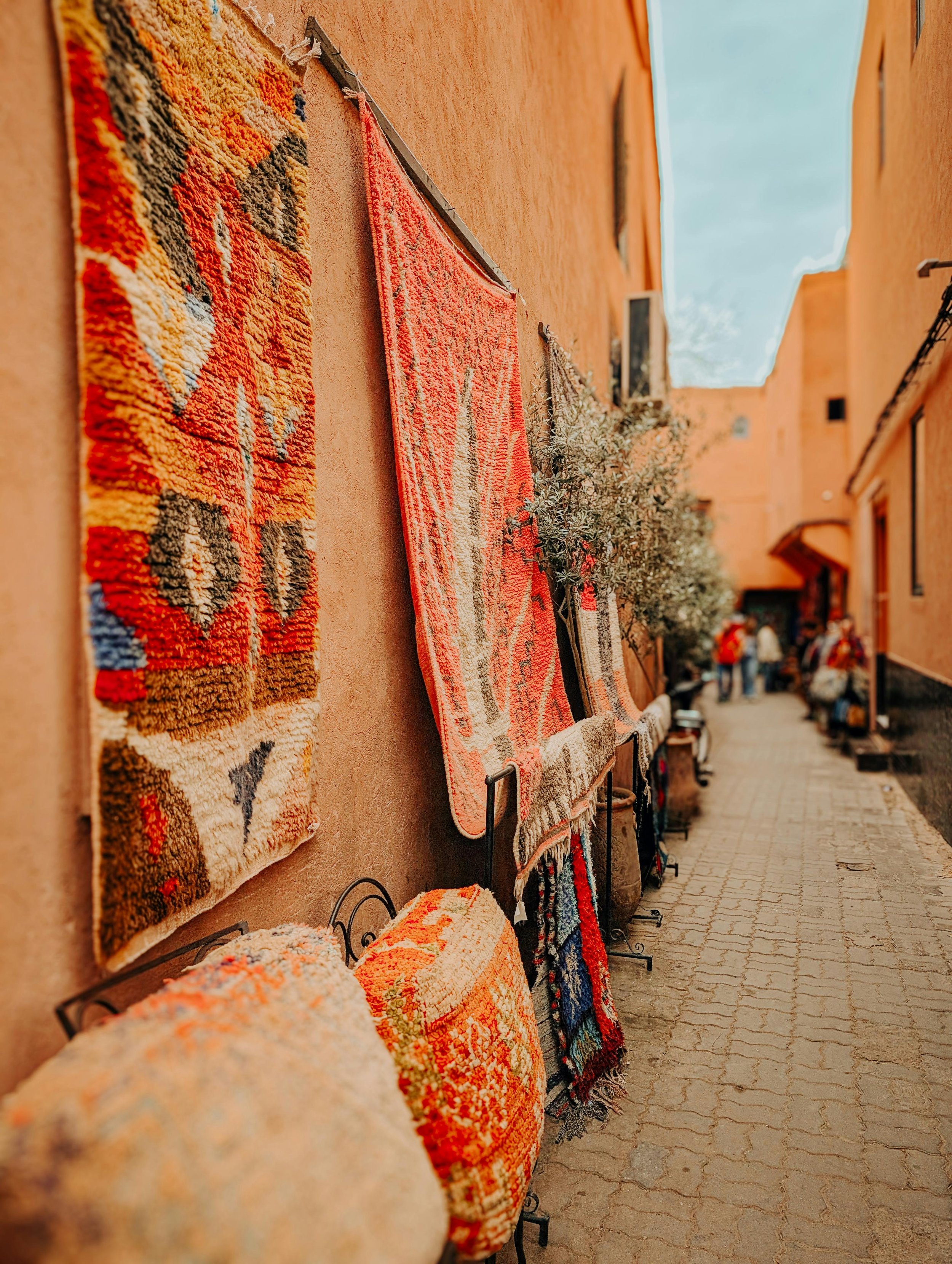
Moroccan style offers so much in contrast to purism: craftsmanship, colours, patterns, creativity and joie de vivre. It is timeless and vibrant, and tells stories both old and new. I love Scandinavian design and enjoy combining it with other styles, but many things often look the same, which can become boring in the long run.
You often travel to Morocco to discover new techniques, brands or artisans. Is there one encounter that has particularly stuck in your mind?
Yes, before I started my own business, I discovered Chebi Chic in Marrakesh. It was founded by two women who now run the brand very successfully. They produce Moroccan ceramics featuring traditional and modern patterns, and export their products all over the world. I think it's even better because it's a business run by Moroccan women. We support each other and started out at almost the same time.
For anyone who wants to gain further insight into Moroccan culture, which artists, musicians, films or books would you recommend?
A few years ago, the singer Oum performed at the Düsseldorf Festival. To me, she embodies the Morocco that I love so much. Her music is full of modern sounds but also has traditional influences, mixing elements of jazz, soul, funk and South American music. This eclectic blend is as creative, cosmopolitan and diverse as the country itself. •
Words: Lisa Maria Kunst
Pictures: Pexels/ Constanze Marie, Patrick Christoph, iStock/ Maria Sonia Salvador Verdugo