
EMEA – EUROPE, MIDDLE EAST, AFRICA: DÜSSELDORF'S INTERNATIONAL BUSINESS RELATIONS
Issue 01/2026
Empfohlen
Issue 01/2026
In this interview, Christian Zaum, Düsseldorf's Head of Economic Affairs, talks about the importance of markets in Europe, the Middle East and Africa (EMEA), economic neighbourhoods, and new dynamics in the state capital's business environment.
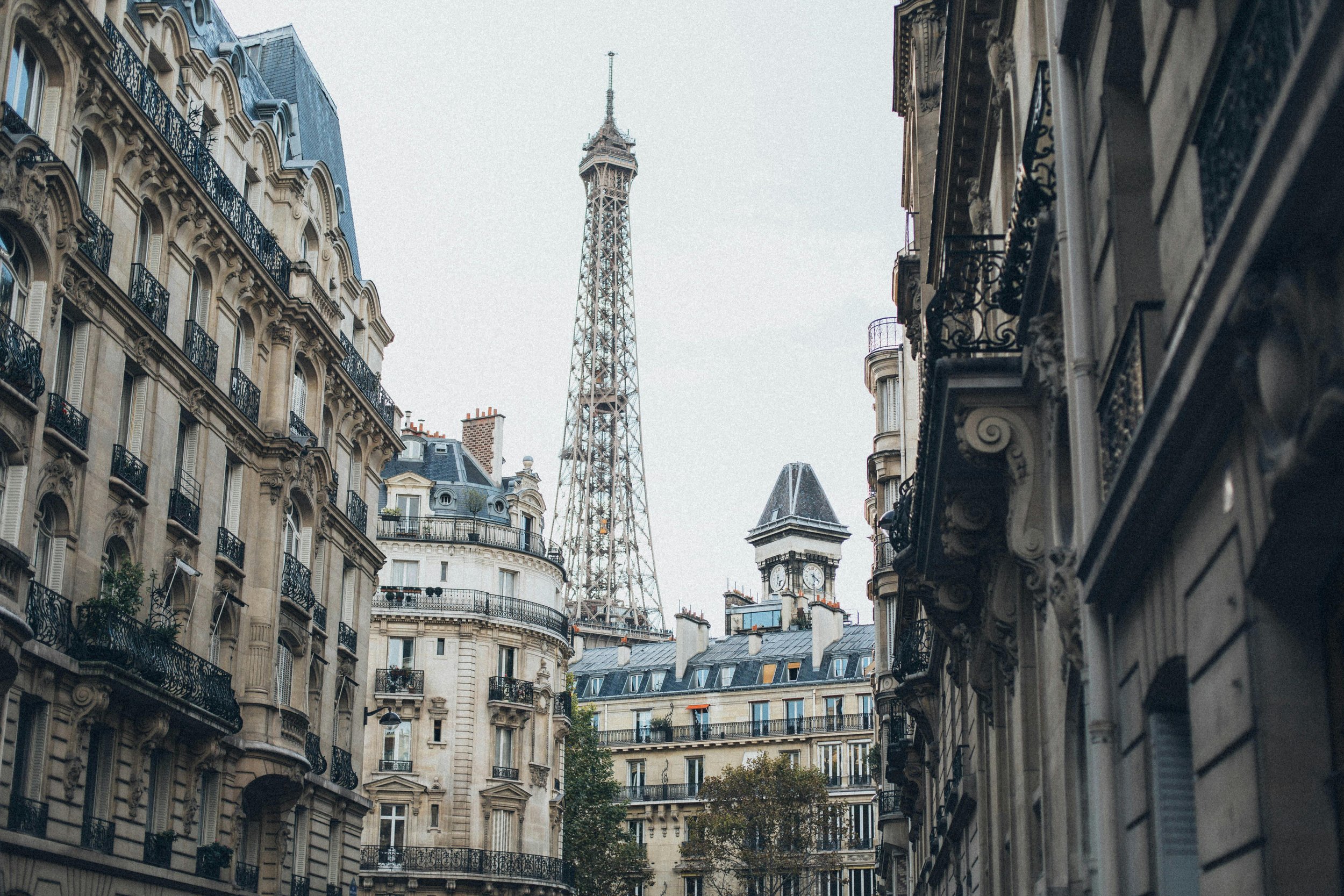
When he visited the city in 1811, the French emperor Napoleon is said to have called Düsseldorf ‘Le Petit Paris’. This marked the beginning of a wonderful friendship that continues to this day — including on an economic level.
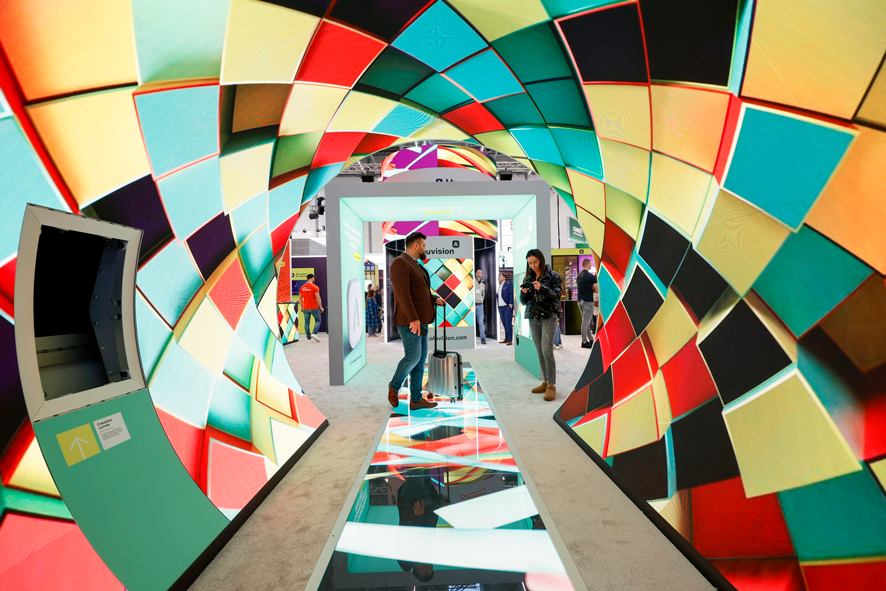
From digital delivery logistics in the Netherlands and the IT ecosystems of a major European wholesaler to the premiere of a leading global trade fair in the Persian Gulf: players in the region are showing that trade encompasses much more than the mere transfer of goods. It is an integrative system of innovation and cooperation, and Düsseldorf is at the heart of it.
No other district represents Düsseldorf like Stadtmitte, the city centre. It boasts the glitz of the Kö, luxury retail, and the hustle and bustle of the adjacent Central Business District. Approximately 25,000 office workers are employed here, primarily in financial services, law firms and management consultancies. The area around the main railway station and Worringer Platz is also part of the city centre. Despite its negative reputation, there are entrepreneurs creating something positive here, such as ice cream parlour owner Roberto Tomasella, who is known as the mayor of Worringer Platz, and the media companies and Asian supermarkets located in the area. Beneath the square, there is a locked passageway adorned with street art from the 1980s. Perhaps Düsseldorf feels a little more like a big city here than elsewhere. Contrasts run throughout the city centre: the Landskrone, the oldest part of the Hofgarten, is the district's largest green space, while the greenery at Kö-Bogen 2 grows upwards, showcasing sustainable construction. The path along Schadowstraße leads to the future opera house at the former Kaufhof location. From there, Immermannstraße with its Japanese restaurants and shops is only a stone's throw away. If Düsseldorf were a single neighbourhood, it would be the city centre.
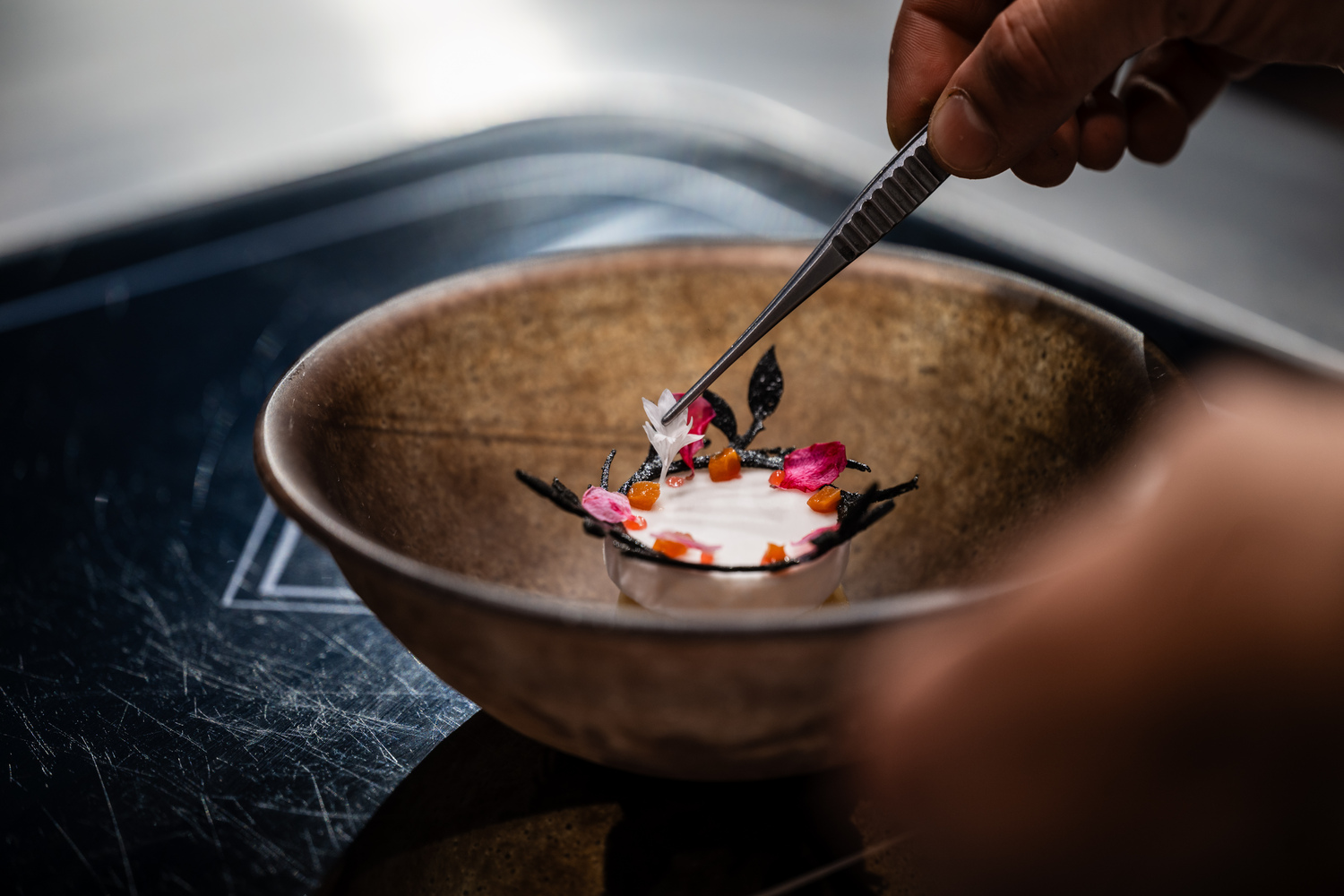
When Tim Raue gets teary-eyed with emotion, when the city is buzzing and people are out and about discovering new flavours, when chip shops and Michelin-starred restaurants pull together, when international gastronomic stars cook and celebrate together. That's when the spotlight turns to an industry that usually puts guests at the centre of attention. The Rolling Pin Convention trade symposium and the Chefs in Town foodie event jointly celebrate gastronomy.
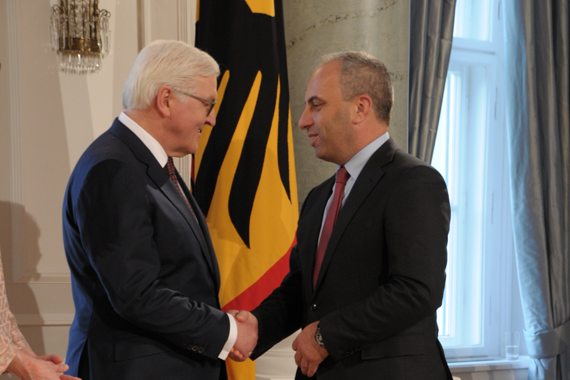
Germany is Turkey's most important trading partner with a substantial bilateral market. Many Turkish companies have chosen to set up in North Rhine-Westphalia, with Düsseldorf being one of the most popular locations.
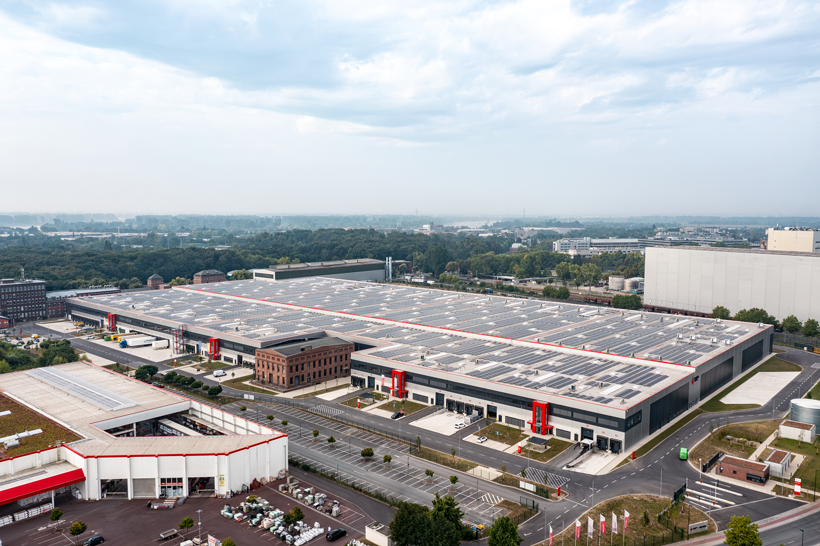
Düsseldorf is proving to be an increasingly attractive investment location for foreign companies. Here, we present three such companies from different industries, ranging from green energy to real estate to modular construction.
As befits an internationally positioned metropolis, the startup scene here also has an international focus. In collaboration with its partners, the Düsseldorf Economic Development Agency runs a variety of initiatives to familiarise startups from the EMEA region with the local ecosystem and encourage them to consider it as a potential location.
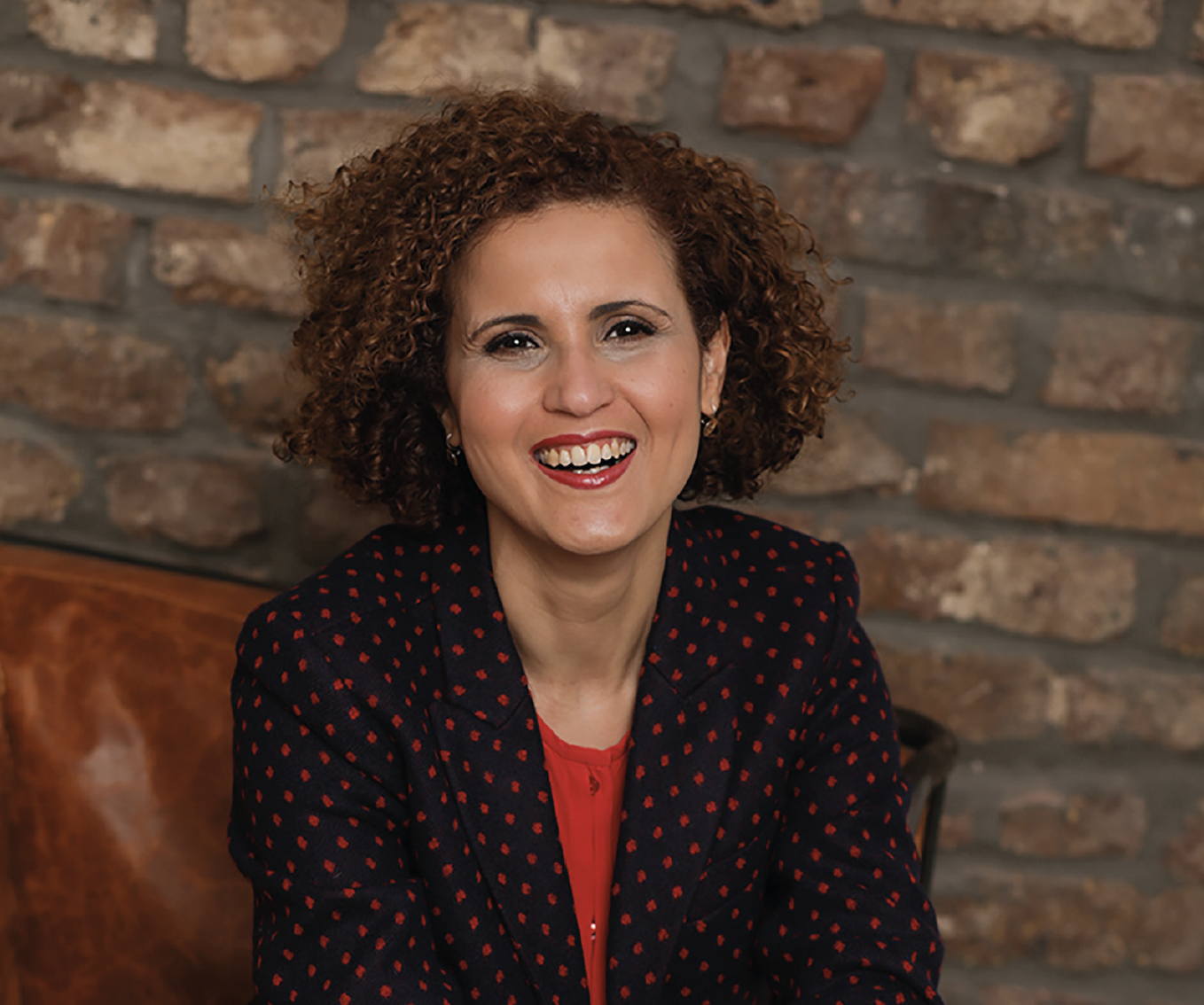
What does Morocco smell like when you set aside the clichés? Like lemon and the courage to change, says Halima Pflipsen. Through cooking classes, TV appearances and her store, 'Beldi Living', the Düsseldorf entrepreneur shows that tradition and modernity can coexist.
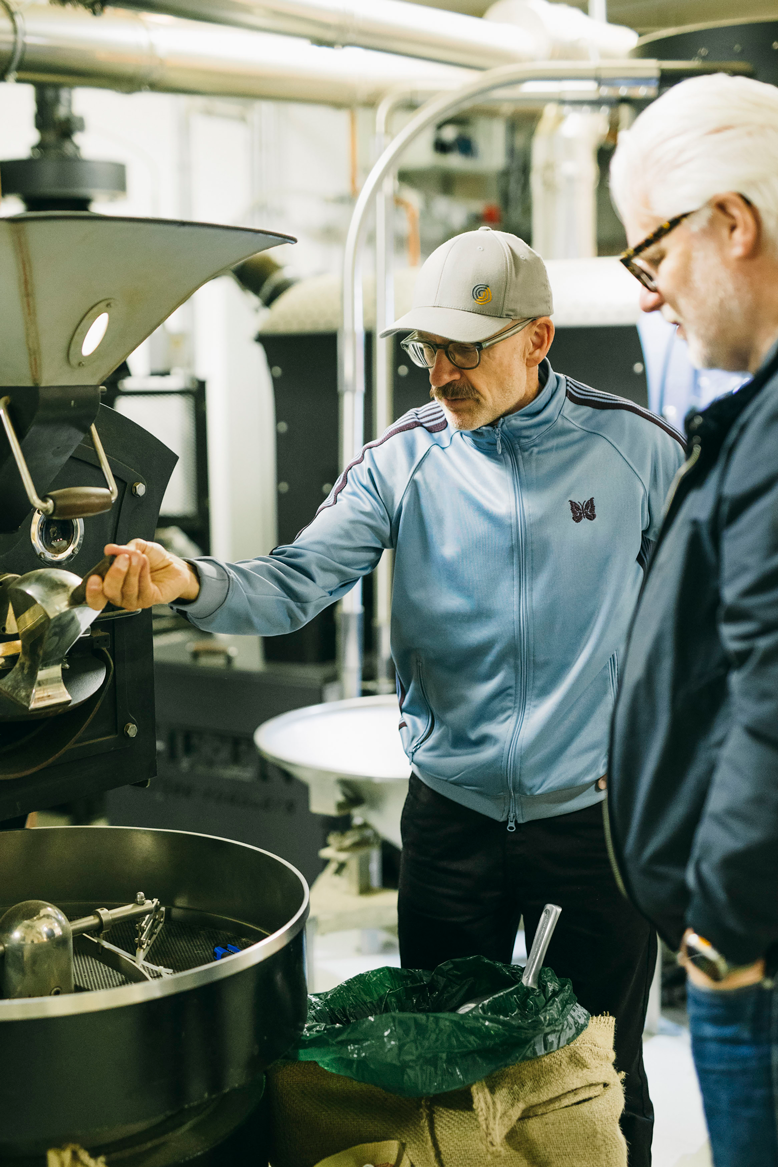
He started out with a café in Düsseldorf, now he travels halfway around the world and jumps out of planes with a parachute: Martin Schäfer is the co-managing director of Rösterei Vier, working with farmers from Costa Rica to Malawi. VIVID editor Rainer Kunst spoke to him about entrepreneurship, the challenges posed by climate change, the cultural significance of coffee – and how a zip-lock bag can sometimes determine the course of a life.
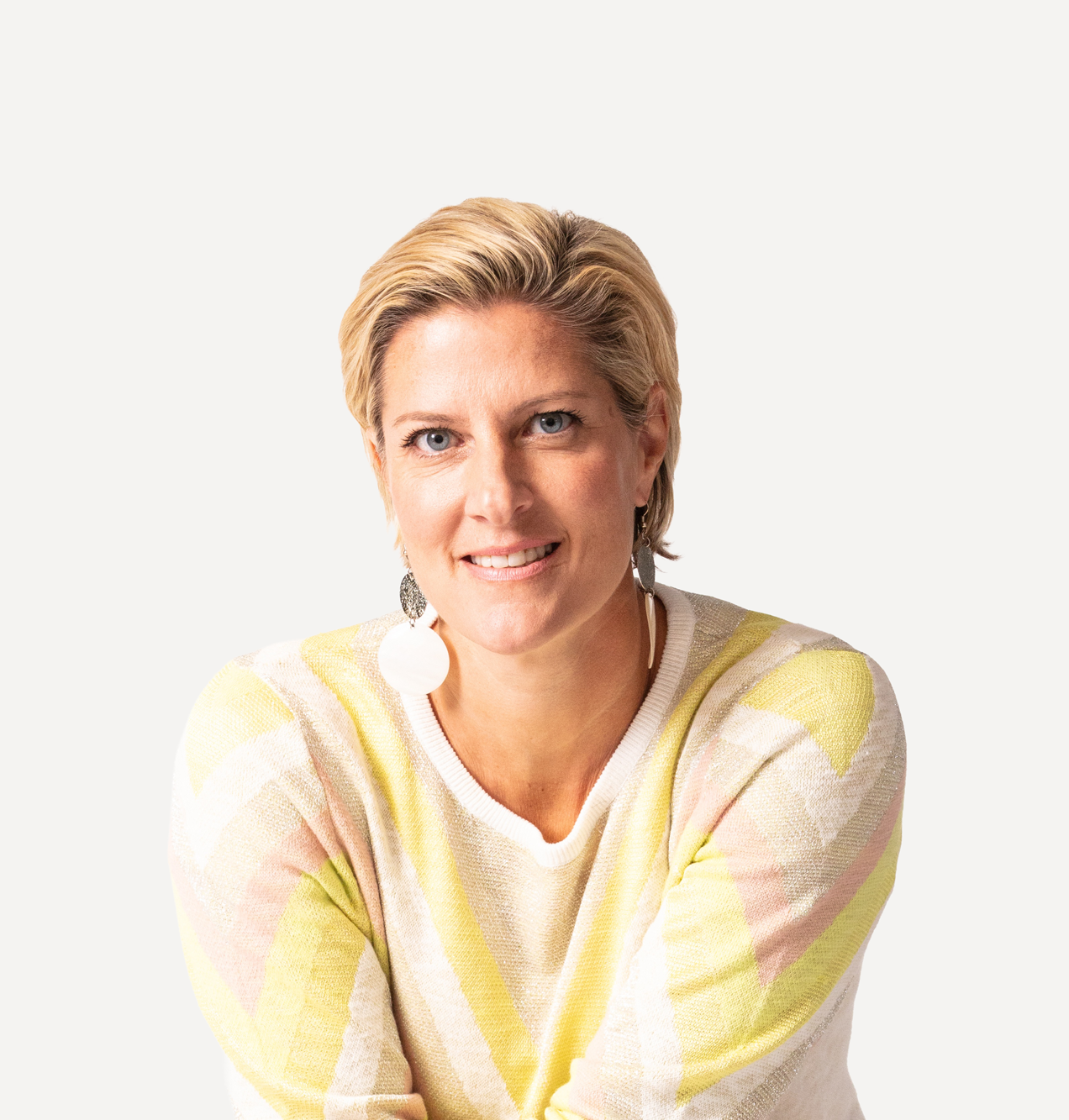
As the managing director of both the Königsallee interest group and Fashion Net Düsseldorf, Andrea Greuner- Kreplin is a key figure shaping Düsseldorf's fashion and location development. Through her own communications agency, MAG, and the creation of the digital image database, up2date.cloud, she combines strategic brand work with innovative communication solutions. A Düsseldorf native and mother to a daughter, she has deep roots in the city and is passionately committed to its continued development, including through her voluntary work.
While the USA and China compete for AI supremacy, Europe is falling behind despite its considerable technological expertise. The challenge lies in translating existing potential into proprietary solutions to secure Europe's data sovereignty and competitiveness. How can the balance be struck between responsible regulation and forward-looking AI development? Experts from the Düsseldorf-based company sipgate and the XPONENTIAL Europe 2026 trade fair offer some insights.