
LEVEL UP! – GROWTH AND SCALABILITY
Issue 03/2026
Skalierung
Issue 03/2026
How can we keep working and living well in the fast-growing city of Düsseldorf? A look at the property sector and city tourism reveals some promising solutions.
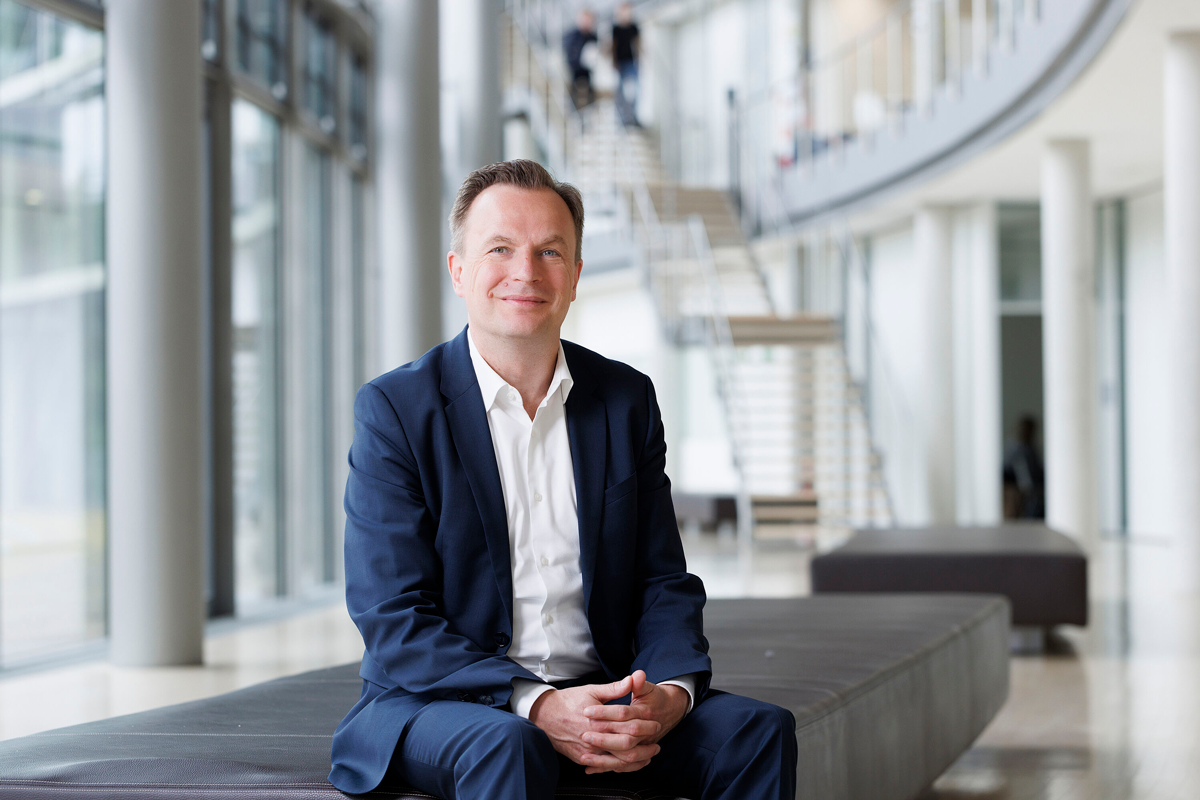
Jens Südekum, Professor of Economics at Heinrich Heine University Düsseldorf, has been grappling with this hugely important question intensively since May 2025, when he became the personal advisor on macroeconomic development to Federal Finance Minister Lars Klingbeil. He is one of the key architects of the €500 billion Special Fund for Infrastructure and Climate Neutrality.
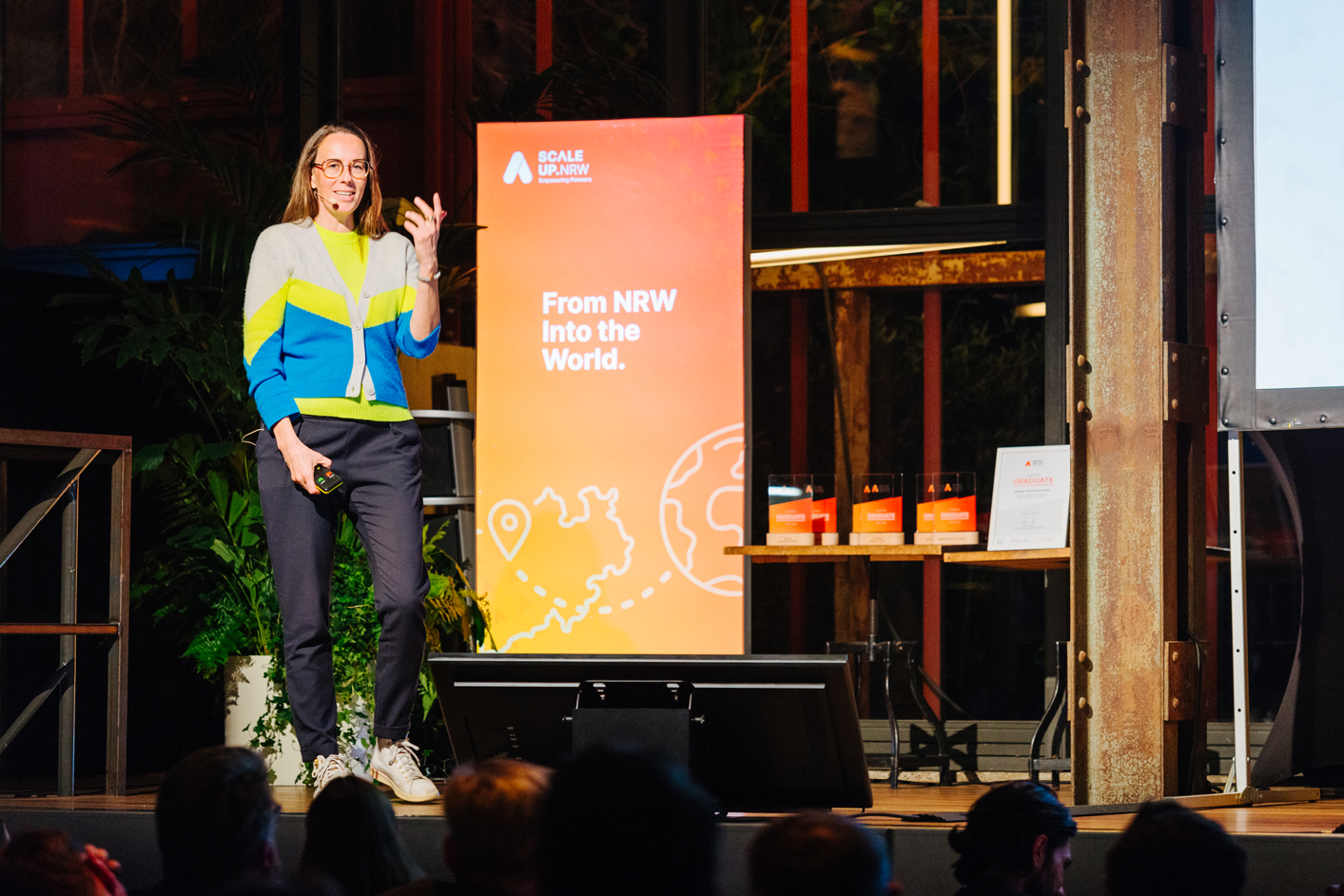
Scaleup programmes support young companies looking to take the leap into the next phase of growth by providing access to capital, mentoring, networking opportunities and strategic guidance. In North Rhine-Westphalia, Scale-up.NRW is regarded as a flagship programme, and Düsseldorf is playing a key part in it.
When the Düsseldorf-based company sino AG became the first investor in the Berlin-based startup Trade Republic in 2017, few could have imagined how rapidly it would grow to become one of Europe’s most valuable fintech companies. In this interview, sino CEO Ingo Hillen explains why it was precisely the combination of traditional brokerage experience and digital startup dynamism that laid the foundation for this extraordinary growth.
Flingern Nord is the more unconventional counterpart to Flingern Süd. With a greater number of residential buildings and turn-of-the-century façades, the heart of the neighbourhood lies around Birkenstraße, Ackerstraße and Hermannplatz. There, an urban community of cafés, independent shops and creative businesses has sprung up, often in charming courtyards. A remarkably vibrant gallery scene has also emerged here over the years, and continues to shape the neighbourhood's creative character to this day.
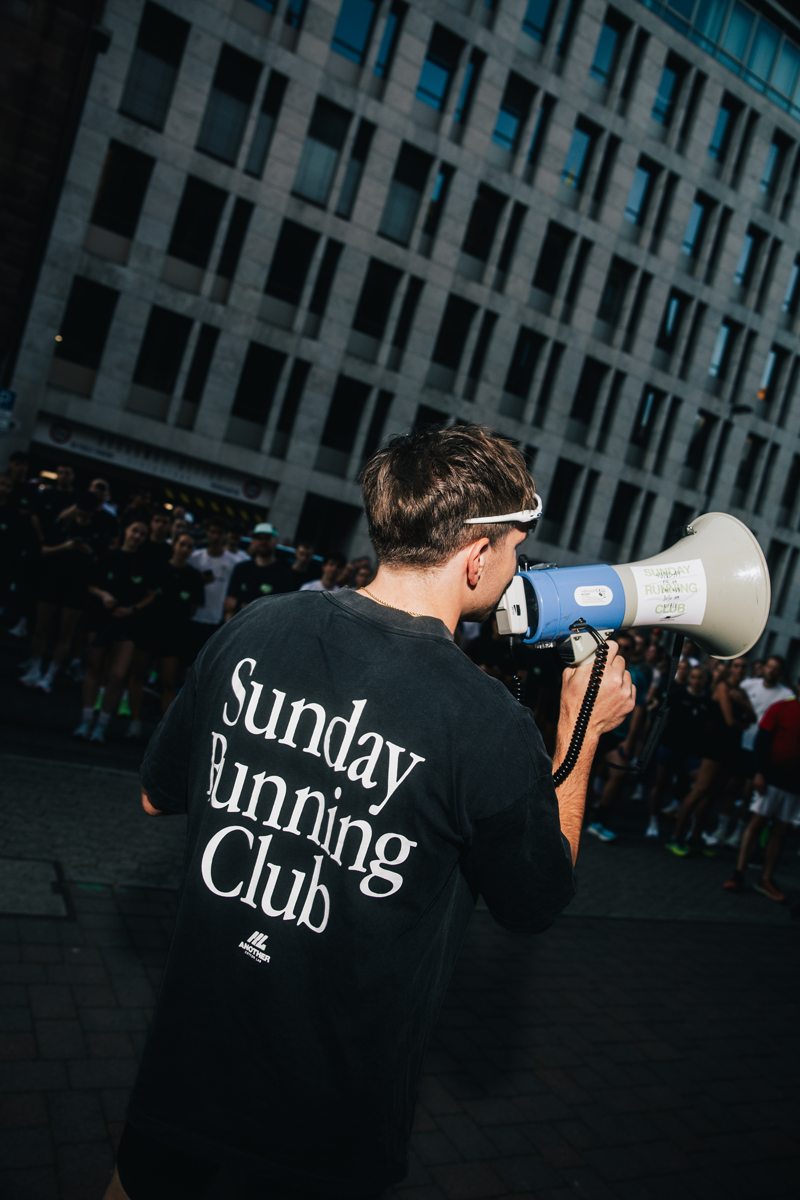
Some company stories begin with a business plan, some with a funding round and some with a perfectly orchestrated launch. And then there’s Another Cotton Lab. The success story of the Düsseldorf-based streetwear brand began with a simple T-shirt. And with a day when most things come to a standstill: Sunday. Today, it has become one of the most exciting German brand stories – and a masterclass in community building.
The Düsseldorf region has become a key hub for innovative companies across Europe with a thriving startup scene. Some of the firms founded here have also grown to become highly successful scaleups. VIVID tells two stories of growth.
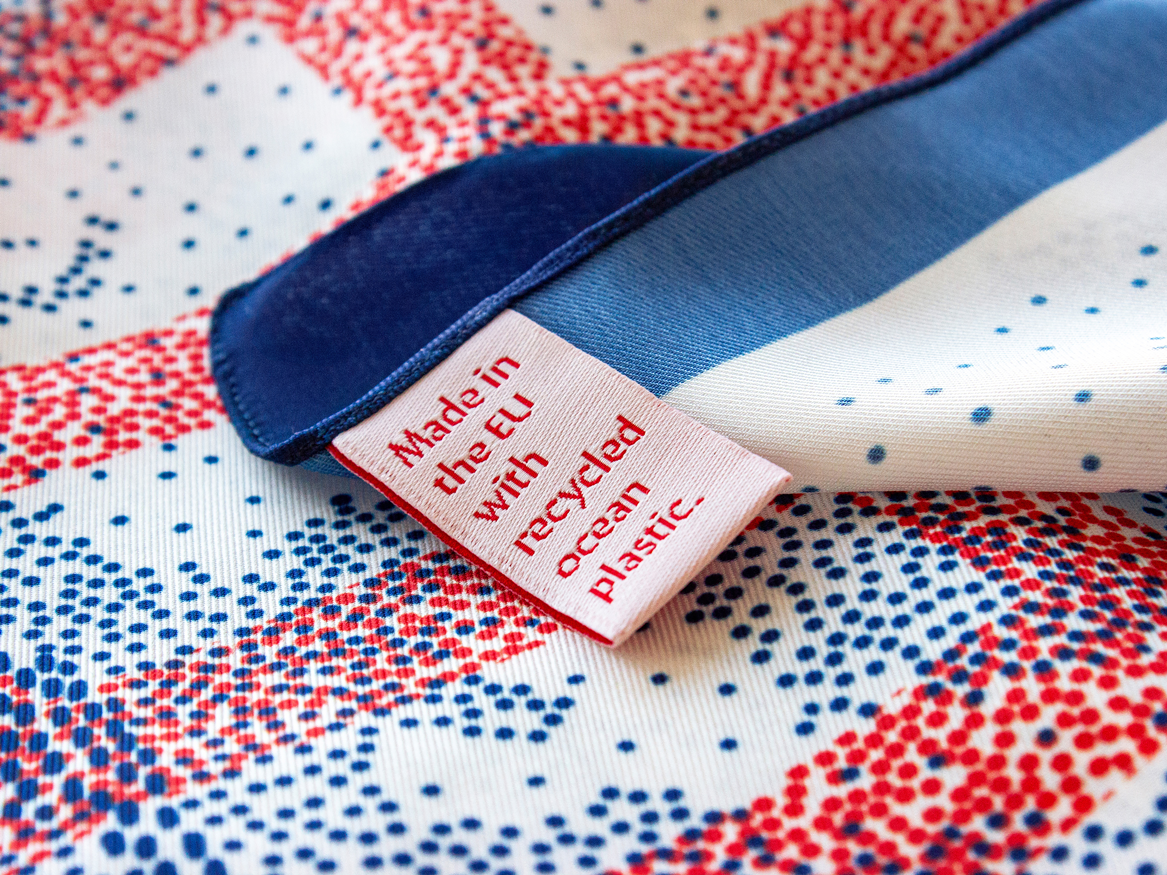
In 2020, the EU examined environmental claims made by companies and found that half of them were either unverifiable or unsubstantiated. Product information is therefore now to be regulated uniformly through a directive. For companies, this means one thing above all – a need for advice.
Growing and scaling up in the state capital: in Düsseldorf, fresh ideas receive professional support from the Economic Development Agency throughout various stages of a company’s development. From the initial steps – including business plans, funding options and integration into networks and events such as Startup Week – right through to the next major step, such as internationalisation, raising larger amounts of capital and strategic support.
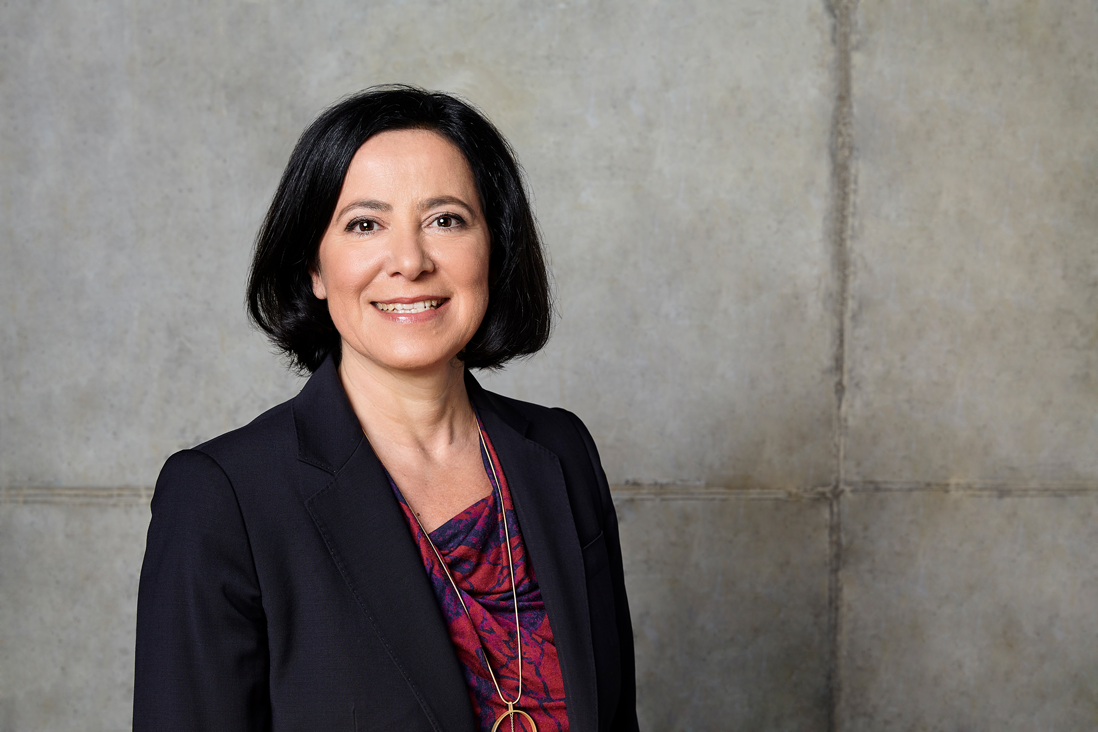
What does her office look like? It’s impossible to answer that question, because Maria Kofidou doesn’t have one. “Each and every one of us clears their desk every day and moves to a different room,” she explains. What was initially met with scepticism is now part of a management culture based on flexibility, trust and responsibility. Maria Kofidou likes to break new ground, viewing change as an opportunity and combining modern leadership with an entrepreneurial vision for the future of Düsseldorf Congress.
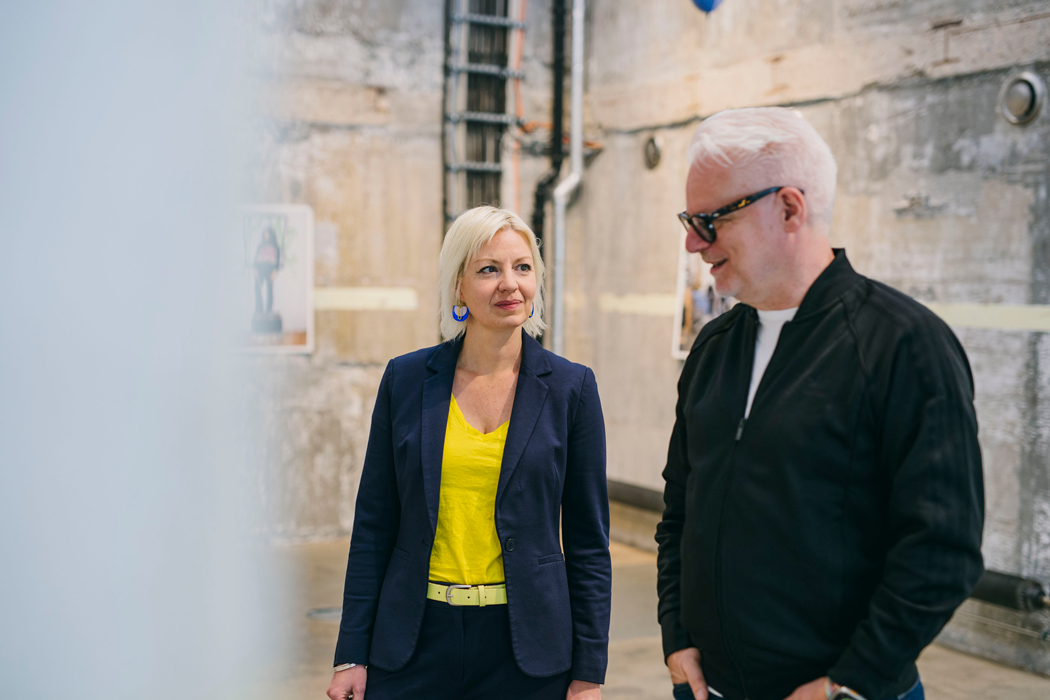
A massive concrete structure that was once a shelter and is now a venue for art, discourse and social interaction: here at the Bilker Bunker, is where VIVID editor Rainer Kunst meets Düsseldorf’s mayor, Clara Gerlach. They discuss the power of culture, political learning processes, conflicts over land use in a growing city, and how to encourage people to participate in climate action.
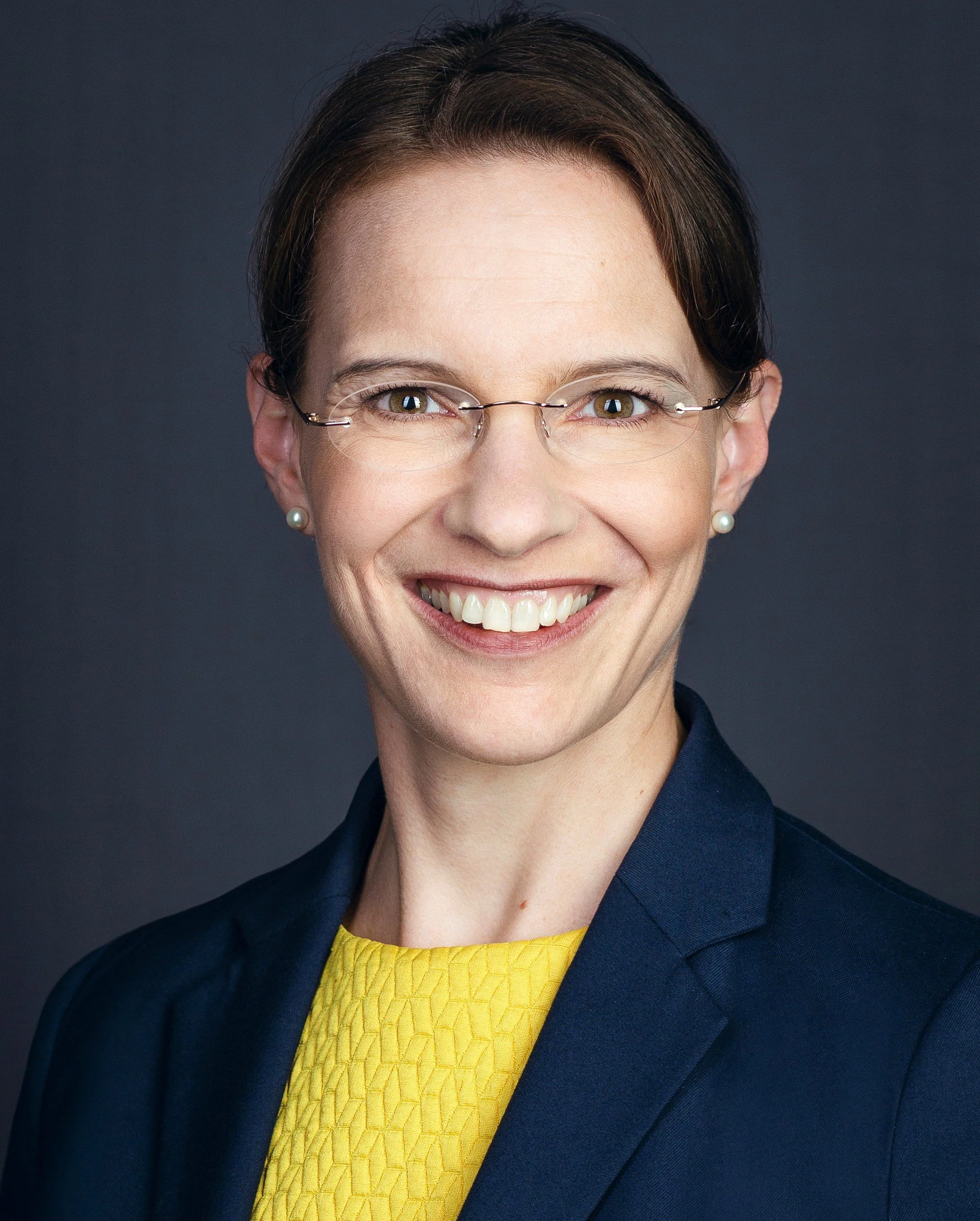
From the northern Ruhr region via the United States, to Aachen, Lisbon, Helsinki and Berlin, and back to the Rhineland: Stefanie Lütteke has lived in many different places, including while studying architecture and construction and property management. This has given her a unique perspective on urban spaces. Since 2008, she has been applying her expertise at the international consultancy firm Drees & Sommer in Düsseldorf as well. She is currently a partner responsible for the NRW region.
German companies are increasingly turning to AI-driven automation. However, for this to yield economic benefits, a number of hurdles must be overcome. A management and technology consultancy based in Düsseldorf and a professor who conducts research into AI and automation technology at Düsseldorf University of Applied Sciences offer their insights.